



 Virtual Trivia
 Virtual Escape Room
 Virtual Murder Mystery
 Virtual Coworker Feud
 Virtual Scavenger Hunt
 Virtual Bingo
 Summer Team Building Activities
 Social Wellness Month
 National Relaxation Day
 National Intern Day
 National S'mores Day
 Virtual Murder Mystery
 Virtual Bingo
 Virtual Icebreaker Games
 Online Taboo
 Virtual Cocktail & Mixology
 Virtual Food Decorating
 Virtual Tasting Experiences
 Virtual Cooking Classes
 Virtual Wellness Program
 Guided Online Meditation Class
 Virtual Yoga Class
 Team Synergy Workshops
 Virtual Paint Party
 Virtual DIY Terrarium
 Virtual Origami
 Virtual Pottery
 Virtual Marble Resin Class


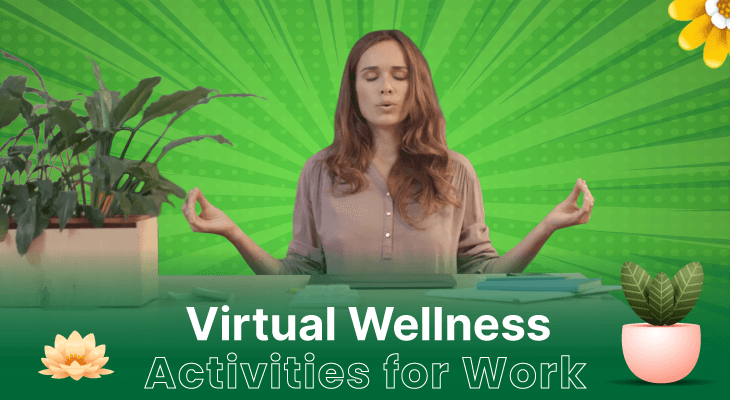
Workdays can get overwhelming, especially when your team is juggling deadlines, meetings, and constant notifications. Creating small pockets of time for your team to slow down, reset, and recharge can make a noticeable difference in how everyone feels during the day. The good news is, supporting your team’s well-being doesn’t have to be complicated or time-consuming.
The best part? You don’t need elaborate setups or long-term commitments to see the impact. A few thoughtfully planned wellness activities can help reduce stress, lift team morale, and create a more productive work environment. In this article, you’ll find ideas that are easy to organize, genuinely enjoyable, and designed to support both individual well-being and team connection. Plus a quick guide to tools and apps that support wellness goals.
Table of content
- Why Do Virtual Wellness Activities for Work Matter?
- Quick Picks: Best Virtual Wellness Activities by Team Goals
- Best Virtual Wellness Activities for Work
- Mental Wellness Activities for Work
- Physical Wellness Activities for Work
- Social Wellness Activities for Work
- Fun Tools Teams Are Actually Using For Wellness
- Frequently Asked Questions (FAQs)
Why Do Virtual Wellness Activities for Work Matter?
Virtual wellness ideas for work help organizations proactively address burnout, disengagement, and isolation, especially in distributed teams. When employees feel supported mentally, physically, and emotionally, they’re more likely to stay motivated and productive. Beyond individual benefits, wellness initiatives directly influence team dynamics, collaboration, and morale. Companies that prioritize wellness often see higher retention rates, improved employer branding, and stronger team cohesion.

Quick Picks: Best Virtual Wellness Activities by Team Goals
Short on time or not sure where to start? Here are a few quick recommendations based on what your team needs most:
- Best for busy teams: Guided Meditation (quick, easy to fit into any schedule)
- Best low-effort option: Gratitude Circles (no setup, high impact)
- Best for engagement: Dance Workouts (high energy, boosts morale instantly)
- Best for stress relief: Somatic Movement & Breathwork (calming and practical)
- Best for team bonding: Healthy Cooking Workshops (interactive and social)
- Best for long-term impact: Monthly Fitness Challenges (builds consistency)
👉 Tip: Start with one low-effort activity and build from there since consistency matters more than complexity.
Best Virtual Wellness Activities for Work
From mental clarity and physical health to social connection and emotional balance, these virtual wellness activities support your team in every aspect that matters.
Please note: While these activities are designed to be accessible and inclusive, employees with medical conditions, injuries, or specific health concerns should consult a qualified professional before participating in activities such as meditation, breathwork, or physical movement sessions.
Mental Wellness Activities for Work
Check out these easy-to-follow virtual mental wellness activities, including meditation, journaling, and breathwork, that anyone on your team can join in on.
1. Guided Meditation
Get your team to join structured, expert-led meditation experiences that help them pause, reset, and refocus during the workday. These sessions can be as short as 15–30 minutes, making them easy to fit into even the busiest schedules. They’re perfect for remote or hybrid teams starting the week strong or unwinding before a big meeting. Over time, regular practice can support better concentration, lower stress levels, and improved emotional resilience.
Tips to make the most of these sessions:
- Try simple techniques like deep breathing, gratitude meditation or guided visualization.
- Create themed sessions like “Monday Momentum” to start the week strong or “Friday Reset” to unwind.
- Pair sessions with gratitude prompts such as “What’s one thing you’re grateful for today?”
- Offer optional camera-off participation to keep it comfortable for everyone
- Rotate formats occasionally (meditation, breathwork, reflection) to keep things fresh.
👉Used by teams at companies like Google and Salesforce, short guided meditation breaks are often built into the workday to help employees reset between meetings.
2. Stress Management Workshop
Beyond quick fixes, stress management workshops equip employees with practical, research-backed tools to better navigate workplace pressure. Led by experienced facilitators, these sessions delve deeper into topics such as burnout prevention, emotional regulation, and sustainable coping strategies. Employees gain techniques they can apply immediately, whether it’s handling a demanding project, managing their time more effectively, or responding to challenges with a clearer mindset.
How to make these workshops more impactful:
- Include interactive exercises like guided breathing techniques, short mindfulness breaks, or journaling prompts
- Use real-life workplace scenarios to spark discussion and make the content more relatable
- Provide downloadable resources or stress management toolkits employees can revisit anytime
- Offer follow-up sessions or quick refreshers to reinforce key techniques over time
3. Journaling & Reflection Sessions
If your team is looking for a low-pressure way to reset and refocus, journaling and reflection sessions offer a simple yet effective solution. Unlike structured workshops, these sessions offer a more personal and flexible space for individuals to reflect on their experiences, identify stress triggers, and build greater self-awareness. These sessions can be guided or self-paced, depending on your team’s preference.
How to make these sessions more meaningful:
- Start with simple, guided prompts like “What went well this week?” or “What’s been on your mind lately?”
- Include themed sessions such as goal-setting, gratitude, or end-of-week reflections
- Keep sharing optional; encourage privacy-first participation.
- Encourage consistency, weekly or bi-weekly sessions help build the habit
👉 Apps like Day One and Reflectly are often used by remote teams to build simple daily reflection habits.
4. Somatic Movement and Breathwork Exercises
Somatic and breathwork exercises offer a practical way for teams to manage stress by focusing on the mind-body connection. Unlike more passive wellness activities, these sessions use simple techniques such as controlled breathing, gentle movement, and body awareness to help employees release tension and regulate their emotions. This makes them especially useful for remote teams who spend long hours at their desks or experience digital fatigue.
How to make these sessions effective:
- Introduce simple techniques like box breathing, diaphragmatic breathing, or 4-7-8 breathing
- Include light somatic movements such as stretching, shoulder rolls, or tension-release exercises
- Offer guided, expert-led sessions to ensure proper technique and comfort
- Schedule sessions during high-stress times (e.g., before big meetings or mid-week resets)
Physical Wellness Activities for Work

Long hours at the desk can take a toll, but these physical wellness activities offer simple ways for your team to stay active, improve posture, and boost energy levels.
5. Chair Yoga & Desk Stretches
Chair yoga offers a simple way for employees to stay active without leaving their workspace. These sessions focus on gentle, desk-friendly movements that help relieve muscle tension, improve posture, and reduce stiffness caused by long hours of sitting. They’re especially useful for remote and desk-based teams who may not have time for full workouts during the day.
What makes chair yoga particularly effective is its accessibility; just a sturdy chair is all you need, and no prior experience is required. Even a few minutes of guided stretching can improve blood circulation, ease back and neck strain, and leave employees feeling more refreshed, comfortable, and focused.
How to make these sessions more effective:
- Focus on key areas like the neck, shoulders, back, and wrists to relieve desk-related strain.
- Include chair yoga poses like seated twists, forward bends, neck stretches, and ankle rolls to target common areas of tension
- Encourage regular stretch breaks throughout the day, not just one session
- Offer live or recorded sessions so employees can join at their convenience
6. Monthly Fitness Challenge
Encouraging consistent movement at work is easier when it’s tied to a fun, shared goal. Instead of one-off sessions, these fun virtual wellness activities encourage consistent participation and add a sense of fun and accountability to physical wellness.
Teams can focus on a variety of goals, such as step counts, daily movement minutes, hydration tracking, stretching routines, or even themed challenges like “no-sugar week” or “morning movement streaks.” Clear communication, regular check-ins, and visible progress tracking can help maintain momentum and keep everyone involved throughout the month.
How to run a successful challenge:
- Set team-based or individual goals
- Offer incentives for milestones
- Use apps to track progress in real time
- Celebrate achievements in team meetings
👉Many companies run step or movement challenges using apps like Strava or MoveSpring to keep teams motivated.
7. Ergonomics & Posture Training
Long hours at a desk can quietly lead to discomfort, fatigue, and even long-term health issues if posture and workspace setup aren’t addressed. Ergonomics and posture training sessions help employees understand how to optimize their work environment and adopt healthier sitting and movement habits throughout the day.
From screen height to chair support, small adjustments can make a noticeable difference in comfort and productivity. By learning how to align their workspace with basic ergonomic principles, employees can reduce strain on the neck, back, and wrists while improving overall focus.
How to make these sessions more effective:
- Share simple desk setup guidelines (monitor at eye level, feet flat on the floor, proper chair support)
- Include quick posture checks that employees can do throughout the day
- Demonstrate common mistakes and how to correct them
- Encourage regular movement breaks to avoid prolonged sitting
- Provide visual guides or checklists that employees can refer to later
8. Dance Workouts
Not every wellness activity has to feel structured; sometimes, the best way to get your team moving is to make it fun. Dance workouts help employees break out of routine, boost their mood, and get their bodies moving without the pressure of traditional exercise. Whether it’s a quick mid-day break or a themed session, dance workouts can instantly lift energy levels, reduce stress, and create a shared moment of fun for the entire team.
How to make these sessions more engaging:
- Choose simple, beginner-friendly routines that everyone can follow
- Offer different styles (Bollywood, hip-hop, Zumba-inspired or even bootcamp) to keep things interesting
- Create themed sessions or playlists to add variety and excitement
- Rotate instructors or session styles to keep participation high
Social Wellness Activities for Work
From hands-on experiences to reflective group sessions, these social wellness activities help teams connect, recharge, and build stronger bonds at work.
9. Healthy Cooking or Nutrition Workshops
Supporting physical wellness goes beyond movement. Healthy vegan cooking or nutrition workshops help employees build better eating habits, such as balanced meals, mindful eating, and everyday nutrition. These sessions can be interactive and engaging, whether it’s a live cooking demo, meal-prep session, or expert-led discussion on nutrition basics. The focus should be on simplicity, like quick recipes, accessible ingredients, and realistic tips that employees can incorporate into their daily routines.
How to make these sessions more effective:
- Focus on quick, healthy recipes that are easy to recreate at home
- Share practical tips on meal planning and mindful eating
- Include live demos or step-by-step cooking sessions for better engagement
- Provide downloadable recipe cards or nutrition guides
- Address common challenges like time constraints or healthy snacking
10. Tea Tasting Experience
A tea tasting experience offers a calming and refreshing way for teams to unwind while exploring different flavors and traditions. From soothing herbal teas and wellness-focused Ayurvedic tea blends to more playful options like bubble tea, these sessions introduce employees to a wide range of beverages that support relaxation and mindful breaks during the workday. Led by a tea expert or facilitator, these sessions can include guided tastings, insights into the benefits of different teas, and simple brewing techniques.
It’s a low-pressure, interactive activity that encourages teams to slow down, connect, and enjoy a shared sensory experience, making it a great addition to both wellness and social engagement initiatives.
How to make these sessions more engaging:
- Include a guided tasting experience with notes on flavor, aroma, and benefits
- Share simple brewing tips to help participants recreate the experience later
- Pair teas with light snacks or mindful tasting exercises
- Provide custom kits or a list of recommended blends
11. Art Therapy Session
Sometimes, the best way to unwind at work is by doing something creative and screen-free. Activities like nature painting, cookie decorating, building terrariums, or even simple origami give employees a chance to step away from screens and engage in something hands-on and enjoyable. Whether guided by an expert or run as a casual team activity, art-based sessions can help reduce stress, improve focus, and create a sense of accomplishment.
How to make these sessions more engaging:
- Provide beginner-friendly instructions so everyone can participate comfortably
- Send DIY kits in advance for a smoother, more interactive experience
- Keep sessions relaxed and pressure-free, focus on creativity, not perfection
- Include a short sharing segment where participants can showcase their work
- Rotate themes or activities to keep sessions fresh and interesting
👉 Creative wellness apps like Procreate and Canva are often used for quick, low-pressure creative breaks.
12. Team Gratitude Circles
Taking a few moments as a team to reflect on what’s going well can have a powerful impact on overall morale and connection. Gratitude icebreaker circles create a safe, supportive space where employees can share positive experiences, appreciate one another, and shift focus away from daily stressors.
These sessions are simple to run and can be incorporated into team meetings or scheduled as short, dedicated wellness breaks. By encouraging open reflection, gratitude circles help build a more positive team culture, strengthen relationships, and improve emotional well-being.
Gratitude prompts to get started:
- What’s one thing you’re grateful for today?
- Who on your team made your workday easier this week?
- What’s a recent small win you’d like to acknowledge?
- What’s something at work that you’ve been enjoying lately?
- What’s one thing you’re looking forward to this week?
- What’s a challenge you’re grateful for and what it taught you?
👉 Some remote teams use Slack integrations like Donut to encourage peer appreciation and casual check-ins.
Fun Tools Teams Are Actually Using For Wellness
- Meditation apps like Headspace for quick resets
- Fitness challenges via Strava
- Journaling tools like Reflectly
- Slack tools like Donut for connection
- Mood tracking apps like Moodfit to help employees stay aware of stress patterns
- Focus tools like Forest to reduce screen distractions and improve deep work
- Habit-building apps like Habitica that gamify wellness routines
- Breathwork and sleep apps like Calm for better relaxation and recovery
- Virtual coworking platforms like Flow Club to stay productive while feeling socially connected
👉 These tools make it easier to turn one-off activities into consistent habits.
Frequently Asked Questions (FAQS)
What are virtual wellness activities for employees?
Virtual wellness activities are online sessions or programs designed to support employees’ mental, physical, and emotional well-being. These can include meditation, fitness sessions, workshops, and team-based activities that promote healthier habits and reduce stress.
How to host virtual wellness activities for employees?
Identify your team’s needs, whether it’s stress relief, fitness, or mindfulness, so you can choose activities that feel relevant and engaging. Pick a reliable platform like Zoom or Microsoft Teams, and schedule sessions at times that work across time zones. Bring in a variety of guided or virtual wellness activities like guided meditation, yoga sessions, stretch breaks, or even virtual nutrition workshops. You can invite professional instructors or use pre-recorded sessions for flexibility. Keep virtual team wellness activities short (30–60 minutes), interactive, and optional to encourage participation without pressure. Gather feedback after each session to understand what resonates most with your team and refine future activities.
Why are virtual wellness activities important for remote teams?
Remote teams often deal with challenges like isolation, screen fatigue, and blurred work-life boundaries. Virtual wellness activities help reduce stress, improve morale, and create opportunities for connection and engagement.
How often should teams participate in wellness activities?
It depends on your team’s schedule, but most organizations find that weekly or bi-weekly sessions work well. Short daily activities (like 10–15 minute breaks) can also be effective for maintaining consistency.
Do employees need prior experience to join virtual health and wellness activities?
No, most virtual wellness activities are designed for all skill levels. Sessions like chair yoga, meditation, and journaling are beginner-friendly and easy to follow.
How long should virtual wellness sessions be?
Ideally, sessions should be between 10–30 minutes to ensure they fit into the workday without disrupting productivity. Longer workshops can be scheduled occasionally.
What are some easy virtual wellness activities to start with?
Some simple options include guided meditation, chair yoga, journaling sessions, gratitude circles, and short stretch breaks. These require minimal setup and are easy to implement.
How can companies encourage participation in virtual wellness activities?
Keep sessions optional, create a no-pressure environment, and offer a variety of activities. Incentives, team challenges, and leadership participation can also help boost engagement.
Can virtual wellness activities improve productivity?
Yes, regular wellness activities can help reduce stress, improve focus, and boost energy levels, which can positively impact overall productivity and performance.
What tools are needed to run virtual wellness sessions?
Most activities only require a video conferencing platform and basic communication tools. Some sessions may include optional kits or apps for tracking progress.
How do you measure the success of wellness programs?
You can track participation rates, gather employee feedback, and observe improvements in engagement, morale, and overall team satisfaction.