



 Virtual Trivia
 Virtual Escape Room
 Virtual Murder Mystery
 Virtual Coworker Feud
 Virtual Scavenger Hunt
 Virtual Bingo
 Virtual FIFA Activities
 Summer Team Building Activities
 Social Wellness Month
 National Intern Day
 Virtual Murder Mystery
 Virtual Bingo
 Virtual Icebreaker Games
 Online Taboo
 Virtual Cocktail & Mixology
 Virtual Food Decorating
 Virtual Tasting Experiences
 Virtual Cooking Classes
 Virtual Wellness Program
 Guided Online Meditation Class
 Virtual Yoga Class
 Team Synergy Workshops
 Virtual Paint Party
 Virtual DIY Terrarium
 Virtual Origami
 Virtual Pottery
 Virtual Marble Resin Class


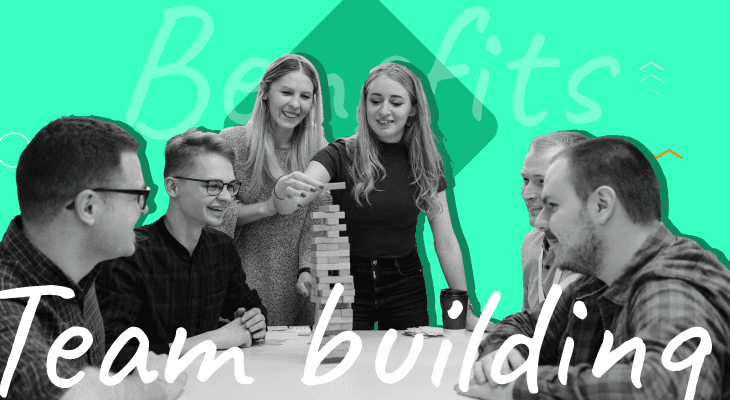
Building strong employee rapport benefits both the business and the happiness of every individual working in the organization. One powerful way to achieve this is through team building activities. The benefits of team building can be so transformative to a business, regardless of whether the employees commute to an office or work from home.
In this post, we will take you through the many reasons why spending a small amount of time on group dynamics can have a big impact on your company’s success.
What Is Team Building?
Team building encompasses any activity or process that fosters closer communication and cooperation within a group. The goal is usually to build stronger relationships. These relationships should then result in people working together in a more effective and productive way.

10 Main Benefits of Team Building Activities
From creating a better company culture to cultivating leadership skills, there are many benefits of team building activities at work. From improving morale to fostering creativity, these activities have the potential to take your team to new heights.
1. Increases collaboration
Collaboration is all about sharing knowledge to develop solutions to problems so that you can ultimately fulfill project objectives. Team building activities can teach staff how to do this in a fruitful way, providing them with the confidence to rely on one another for suggestions and feedback.
They can also help colleagues learn how to collaborate under pressure. If there’s a time limit in a game, your team needs to efficiently utilize everyone’s skills to complete the challenge successfully.
Activities to try: Escape rooms and murder mysteries, which rely on group collaboration to solve ingenious puzzles.
2. Boosts company culture
Team building impacts company culture by transforming the way people interact with their colleagues. The right activities can teach individuals to value each member of the group’s contribution while encouraging them to show their appreciation for the input.
This kind of positive reinforcement not only creates an atmosphere in which camaraderie thrives it also makes people more eager to chip in and help out in a team endeavor.
Activities to try: Games like team Jeopardy and virtual trivia promote a workplace environment that’s about fun with a competitive edge.
3. Improves team communication

Underpinning all the other benefits of team building exercises is communication. It’s a skill that can have a huge impact on the success or failure of a business. Communication skills can be easily developed by organizing light-hearted games.
Team building breaks down the barriers between staff so that they can communicate in a more relaxed manner. It also allows people to experiment with how to speak with one another appropriately and effectively. They may find that a way of communication that works well with one colleague is less effective with another. Through group activities, they can uncover these nuances and develop a free-flowing rapport that makes it easier to get things done.
Activities to try: Pictionary, charades, and blind drawing all place the focus on aspects of good communication.
4. Help identify team strengths and weakness
Each member of a workgroup will have their own unique abilities and blind spots. In the short term, team building can help managers work out how to most effectively utilize the existing strengths of each person to achieve the best results. In the long term, managers can also implement customized learning and development plans that target an individual’s weaknesses.
Activities to try: DIY workshops like holiday ornament decorating and pottery making are an opportunity for staff to showcase their creative skills.
5. Enhance Employee Engagement
Another of the core benefits of team building is the way it boosts how engaged employees are with the business. Fun group activities provide a framework for workmates to develop relationships that make the office space, whether physical or virtual, more enjoyable. This leads to them feeling more energized about achieving their key objectives.
The commitment a team member feels toward their colleagues influences how hard they work. Strong engagement fostered through team building encourages them to fully invest in a project for the group’s success.
Activities to try: Wine tastings, chocolate tastings, or other flavor-focused fun that has an engaging sensory element.
6. Reduce Conflicts
Although hopefully not the main reason you’re planning to arrange an employee event, one of the secondary benefits of team building in the workplace is that it minimizes bust-ups. First off, a bit of fun once in a while relieves the tensions that may be simmering beneath the surface.
Secondly, team building can be used to identify and play out some of the conflicts that already exist. This outlet essentially helps managers troubleshoot issues outside of a formal work environment before they become issues for the business.
Activities to try: Role-playing scenarios are a useful tool for demonstrating different points of view and how to resolve conflicts within a work setting.
7. Increased motivation and productivity
The better interpersonal relationships associated with team building make staff feel more upbeat about the workplace. This positively affects their motivation, boosting their desire to do well.
When people are motivated, they are naturally more productive. By introducing even just a few simple team building activities, you can supply a core of energy that staff can draw upon to electrify their performance.
Activities to try: Social games like Two Truths and a Lie or bingo solidify bonds between employees, resulting in a boost to motivation to do well for the team.
8. Cultivate leadership
One of the most underrated benefits of team building is the way it cultivates leadership qualities. During group games, you may notice that some members of the team are more inclined to assume a guiding role, directing the team’s actions to achieve the game’s objective.
In a casual team-building setting, you’re likely to discover different sides of people’s personalities that don’t usually show in the usual work environment.
Activities to try: The human knot is a good exercise to identify leadership skills in staff by observing who effectively takes charge of a problem-solving situation.
9. Reinforces commitment and loyalty
Team building is a great way to reduce staff turnover in your workforce. Employees feel more committed to their colleagues through regular non-work interactions. The reward aspect of team building can also have a strong impact on loyalty. By arranging fun, relaxing getaways or pursuits, managers can appreciate each person’s contribution to the group. This kind of recognition is strongly correlated with employee retention.
Activities to try: Corporate retreats to scenic locations are a nice incentive to use to bolster commitment to a business and its objectives.
10. Promotes mental health and wellbeing
Finally, don’t underestimate the health benefits of team building. A break from the pressures of the everyday work routine provides a way for staff to shrug off some of the stressors that may be affecting them.
There are, of course, the direct benefits a team building activity like hiking or meditation may have on the physical and mental well-being of your staff. Just as important is the social dimension, which can combat feelings of loneliness and isolation that are especially common in remote workers.
Activities to try: Chair yoga and online meditation can both be good methods for reducing mental anxiety and improving overall well-being.
Frequently Asked Questions (FAQs)
What is the main purpose of team building?
The number-one purpose of team building is to create a more harmonized, productive work environment. Through activities that bring people together, you can build a company culture where everyone enjoys their job and feels supported to innovate and create.
How do team building activities help employees?
The benefits of team building at work for employees include improved morale, greater engagement, and better mental health and well-being. They can also help identify any issues that exist within the team and reduce the potential for conflict.
What are the 4 main types of team building?
There are several ways to categorize team building. One method is to divide them into 4 main types that revolve around either communication, problem-solving/critical thinking, team bonding, or fun/relaxation.
What are some popular team building activities for remote teams?
Games like virtual quizzes and online bingo are fun activities that can be easily arranged for remote teams. You can also organize something more elaborate, like escape rooms and murder mysteries, to promote cohesiveness in a remote working group.